

 Freight Spot Rates Explained: A Practical Guide for Shippers
Freight spot rates aren’t unpredictable; they’re responsive. Those that plan for the inevitable shifts can adapt faster.
Drayage
Run port and rail moves inside Descartes 3G TMS for easier, faster drayage management.

Plan your drayage move before containers arrive, spend less time chasing updates, and keep downstream plans intact with results you can rely on.
reduction in manual labor
from detention or demurrage
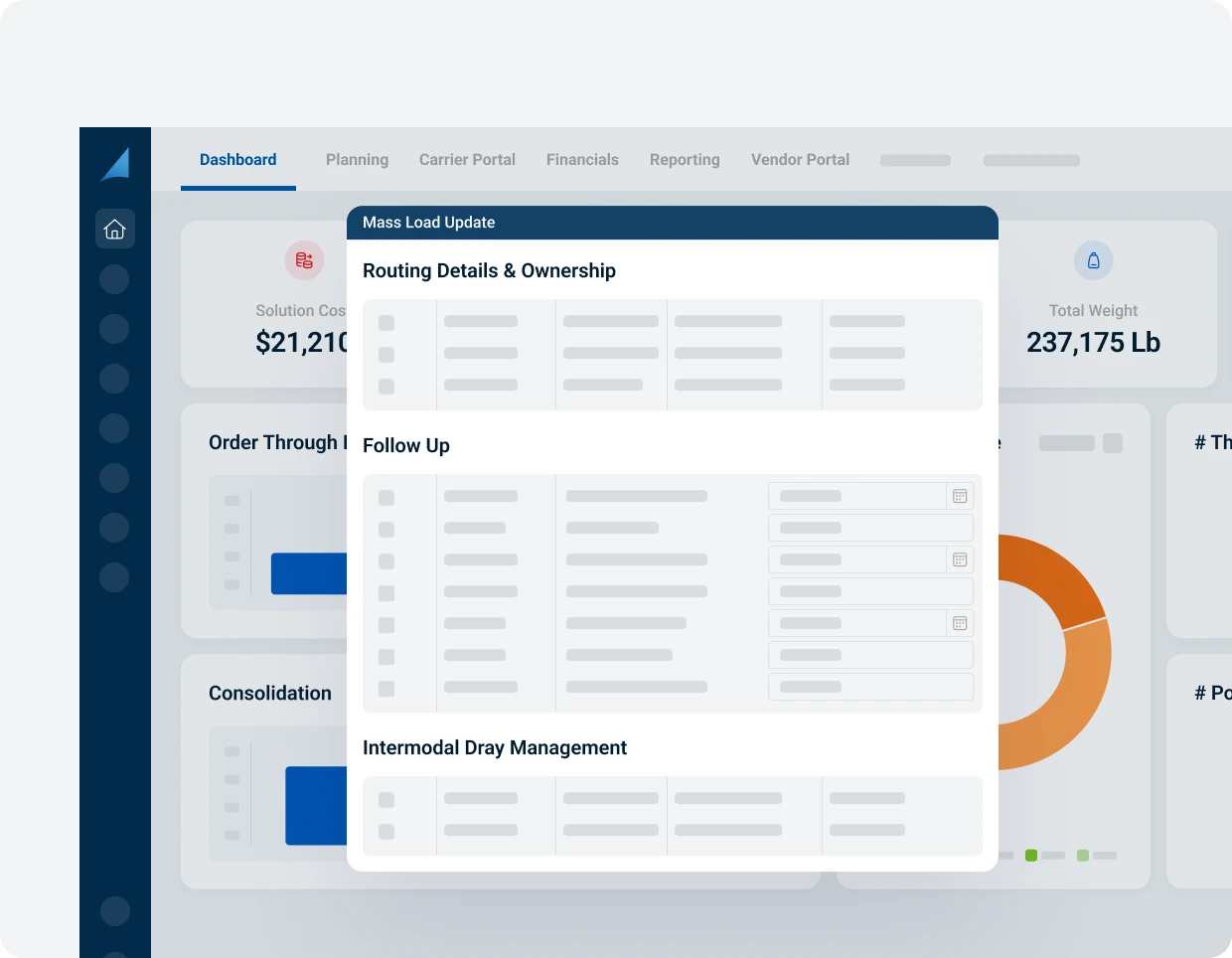
Eliminate spreadsheets and centralize drayage management within your TMS for seamless moves from port to final destination.
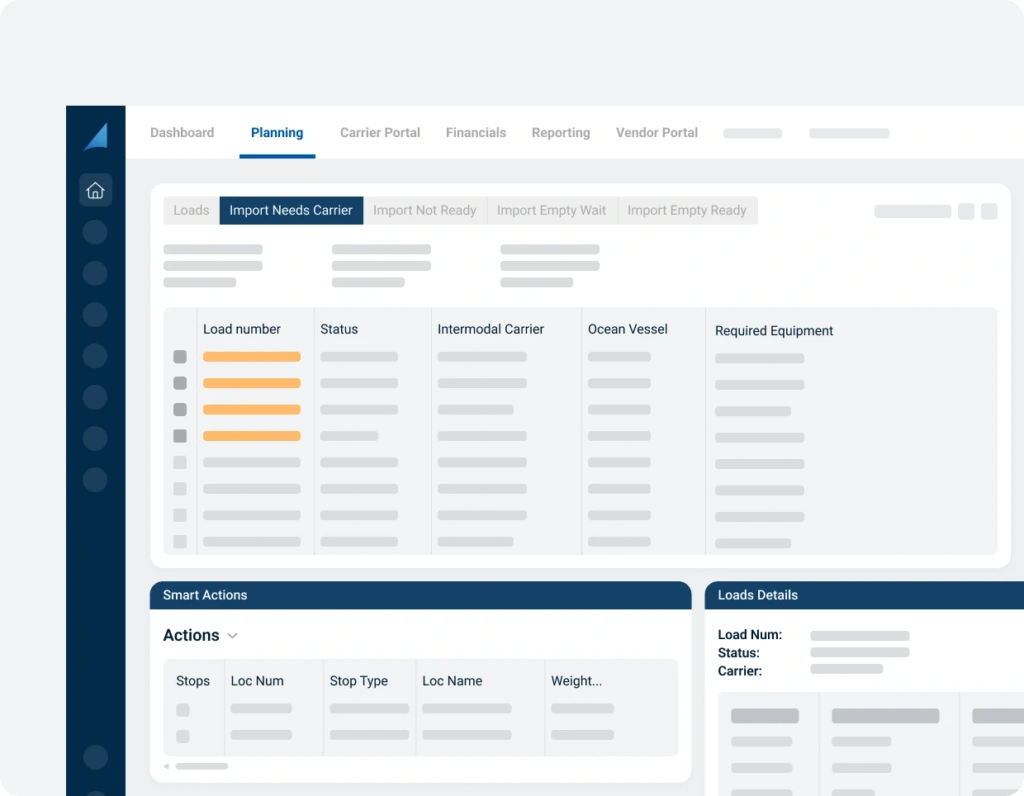
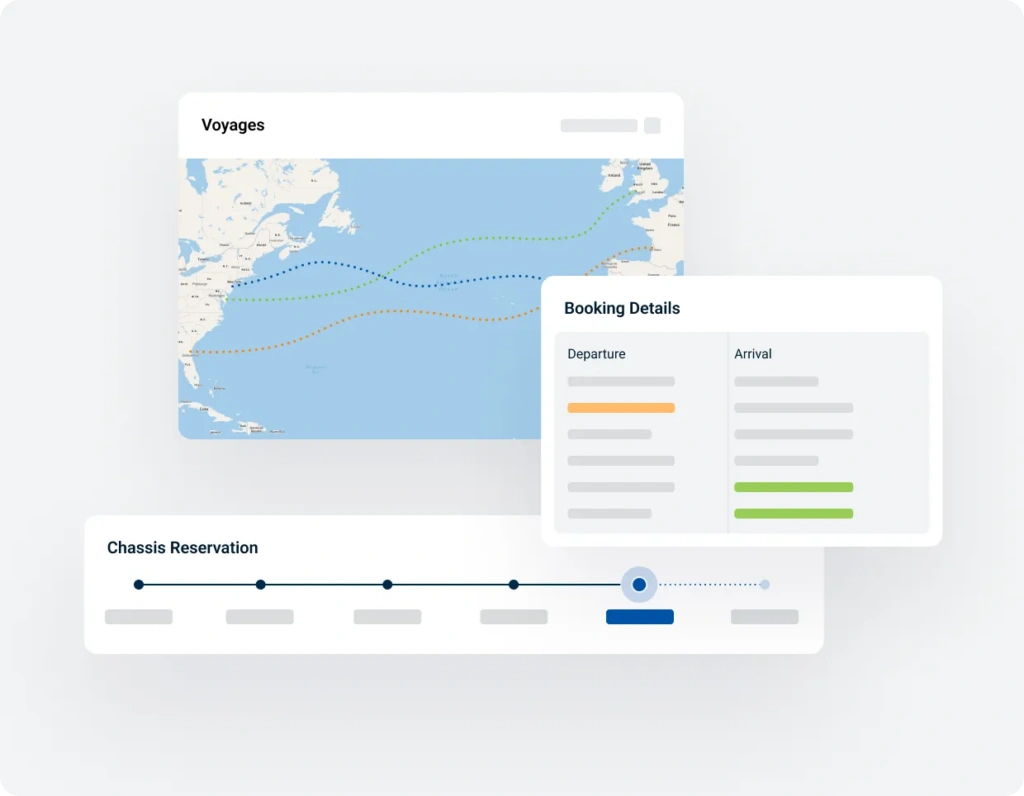
Connect import and export bookings, vessel schedules, and carrier details for full visibility across your drayage operation.
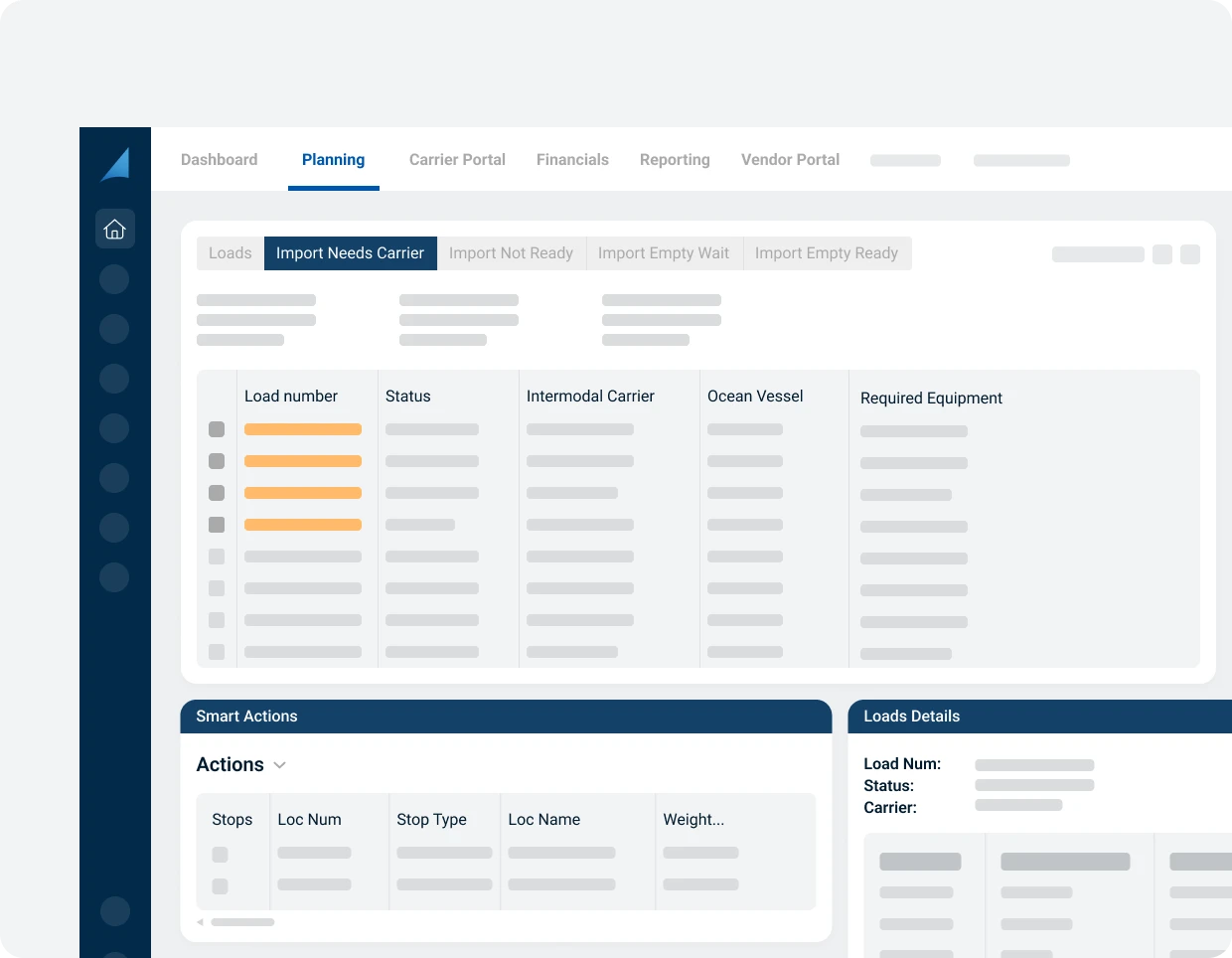
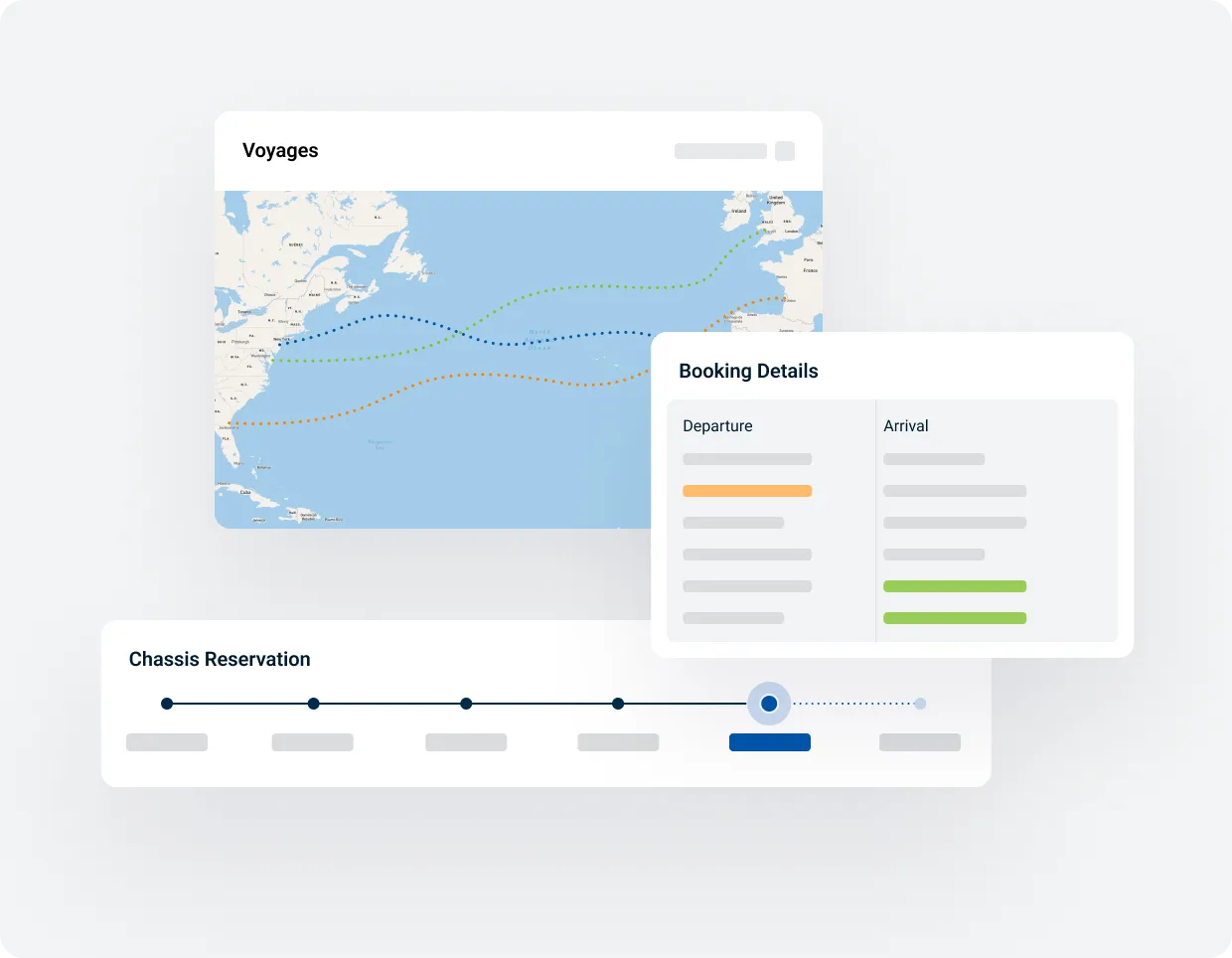
Systematize bulk document management and data updates for faster, more accurate execution.

Replace reactive port-side decisions with planned drayage
workflows that stay aligned as freight moves inland.
View drayage alongside inland transportation so port moves are sequenced correctly, and decisions account for what happens next.
Monitor container status, steamship line notices, and empty returns so teams stop chasing updates and start planning ahead.
Gain visibility into detention and demurrage exposure to understand true drayage costs before they show up on an invoice.
Carry drayage outcomes forward into inland transportation planning, creating smoother handoffs and more reliable end-to-end execution.

transportation cost savings

more efficient
At PSA BDP, agility is our competitive advantage. With Descartes 3G TMS, we’ve harnessed a fully comprehensive solution to deliver innovative and sustainable supply chain solutions, including drayage, resulting in tangible cost savings. Consolidating all modes on one TMS platform has driven efficiencies and direct cost savings.
When we made the decision to start Vesta Freight, we knew we needed a real TMS that could take us from our first load to thousands of loads per month. And that’s Descartes 3G TMS: Simple enough for our start-up, comprehensive enough for our ambitions, and a partner to us for the entire journey because each load may be a transaction, but each customer and carrier relationship is anything but.
Align every customer, carrier, and stakeholder to close operational gaps and keep your business steady through shifting demands
Freight Spot Rates Explained: A Practical Guide for Shippers
Freight spot rates aren’t unpredictable; they’re responsive. Those that plan for the inevitable shifts can adapt faster.
 Why North American Shippers Run Transportation Differently
Check out eight industry trends that stand out for North American Shippers and their practical considerations for your operations.
 Configure Your TMS: From Simple Tweaks to Advanced Automation
Start small, experiment with adjustments, and gradually scale your efforts to unlock the full potential of your system.


