



 Freight Spot Rates Explained: A Practical Guide for Shippers
Freight spot rates aren’t unpredictable; they’re responsive. Those that plan for the inevitable shifts can adapt faster.
AI & Automation
Reduce daily oversight as self-configured rules optimize freight decisions from release through resolution.
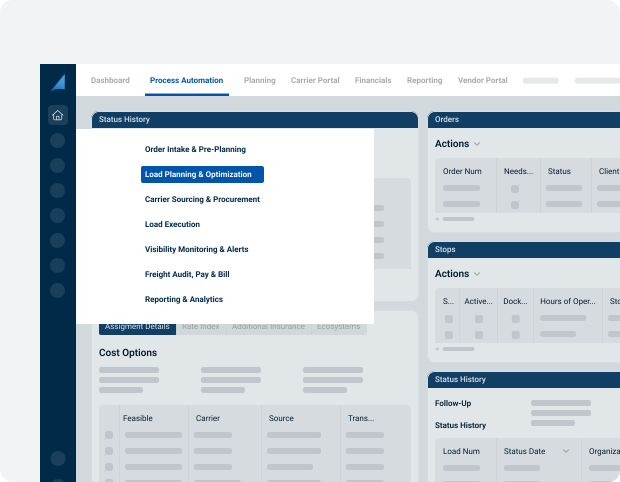
Shift from monitoring every shipment to trusted rules you define so freight moves smarter.
Apply custom rules across tenders, changes, and recoveries so freight follows intent without repeated manual intervention.
Focus attention on exceptions that matter while routine planning, tendering, and updates progress without manual intervention.
Update constraints and workflows as lanes, partners, or volumes shift, keeping freight on track without retraining teams.
Apply configurable logic across load creation, tender sequencing, and workflows so execution stays aligned as volume and complexity increase.

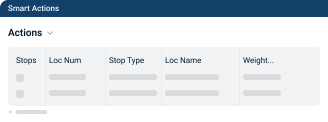
Self-configure rule logic that governs routing, tendering, and workflows so plans flex as markets shift, without manual rebuilding.
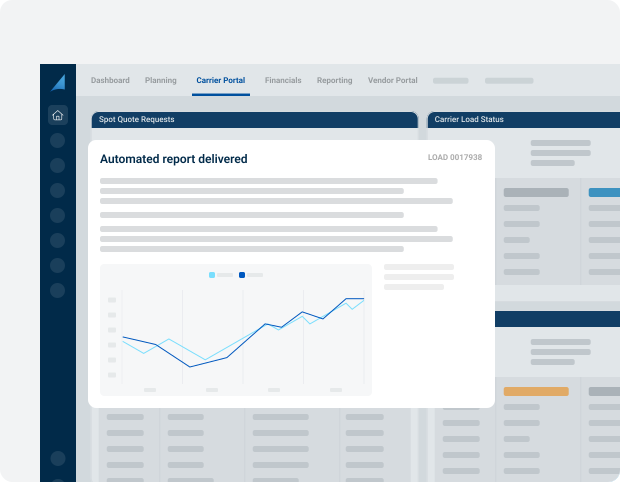
Automatically activate workflows—engaging carriers, confirming events, recovering visibility, and capturing documents—so teams spend less time chasing updates and more time creating value.

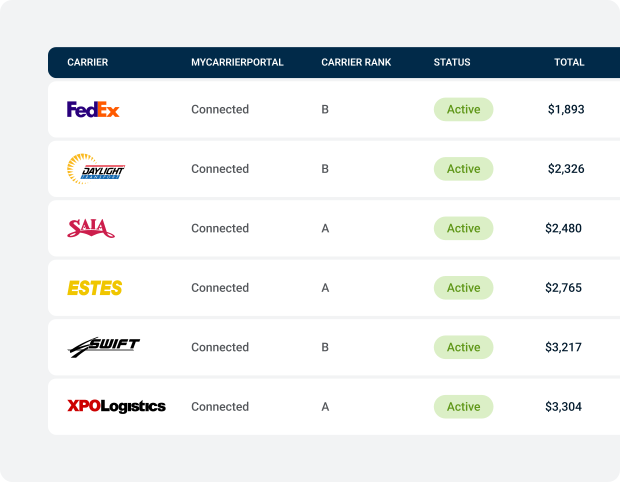
Unify partners, platforms, and data within one reliable system.

transportation cost savings

more efficient
Now that so much is automated, we use less manpower to accomplish the planning tasks. Instead, we can get back to what we need to do, which is sign up and monitor effective carriers.
Before, we could manage about 40 orders per employee per day on our legacy platform. With Descartes 3G TMS, we can now complete 85 or more orders per person per day.
When we made the decision to start Vesta Freight, we knew we needed a real TMS that could take us from our first load to thousands of loads per month. And that’s Descartes 3G TMS: Simple enough for our start-up, comprehensive enough for our ambitions, and a partner to us for the entire journey because each load may be a transaction, but each customer and carrier relationship is anything but.
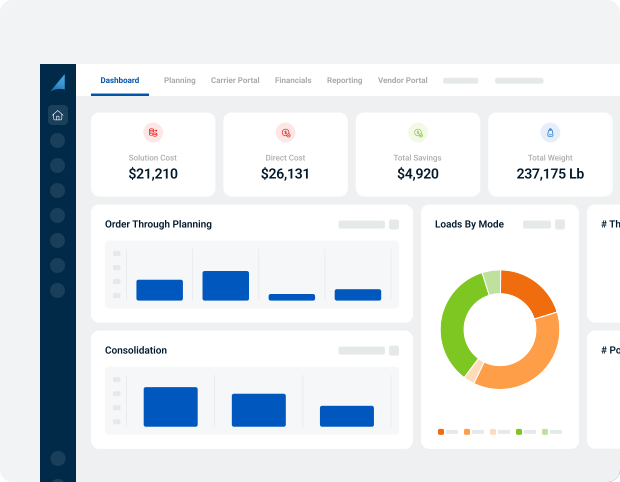
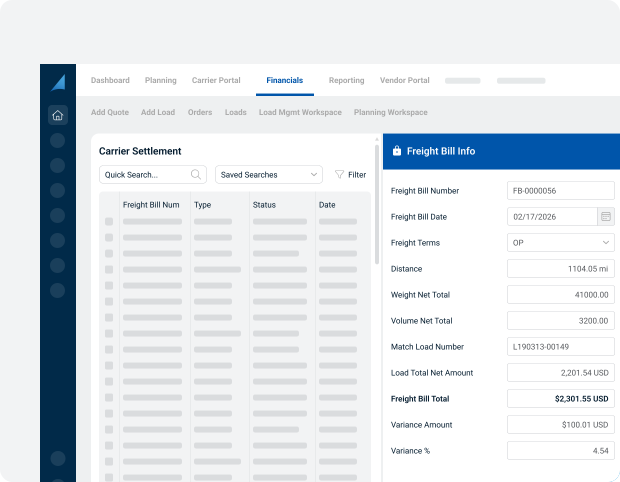
Operate on a single platform where planning, execution, and settlement work together to reduce friction and keep teams in control.
Freight Spot Rates Explained: A Practical Guide for Shippers
Freight spot rates aren’t unpredictable; they’re responsive. Those that plan for the inevitable shifts can adapt faster.
 Why North American Shippers Run Transportation Differently
Check out eight industry trends that stand out for North American Shippers and their practical considerations for your operations.
 Configure Your TMS: From Simple Tweaks to Advanced Automation
Start small, experiment with adjustments, and gradually scale your efforts to unlock the full potential of your system.


